Rent a Dream, Film a Reel, Ghost the Landlord: Inside the Wildest Real Estate Flex on the Internet
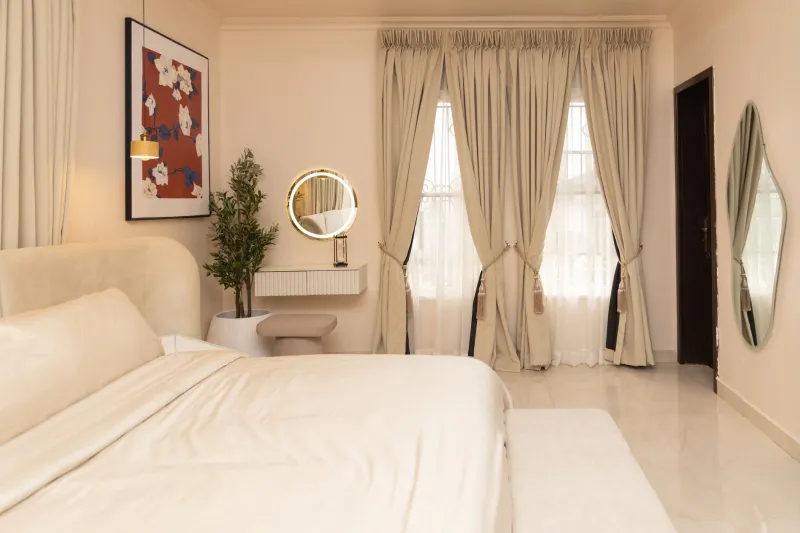
Imagine signing a twelve-month lease, spending three weeks arranging linen curtains at exactly the right angle, filming forty-seven takes of yourself pouring oat milk into an artisanal ceramic mug, and then quietly packing up and never returning. No, this isn't the plot of a limited-series psychological thriller on Netflix. This is Tuesday for a growing army of content creators who have decided that the only thing standing between them and viral fame is the perfect apartment backdrop—one they are fully prepared to rent, stage, and abandon like a Cheesecake Factory on a Monday night.
Welcome to the era of set flipping, the trend that is simultaneously the most impressive and most baffling thing to happen to American real estate since someone convinced us an avocado-green bathroom was charming.
So What Exactly Is Set Flipping?
The concept is deceptively simple and spiritually chaotic. A content creator—typically operating somewhere in the TikTok-Instagram-YouTube Bermuda Triangle—identifies a property with strong visual bones. Think exposed brick, floor-to-ceiling windows, a kitchen that looks like it belongs to someone who actually knows what a ramekin is for. They lease the space, sometimes short-term, sometimes for full annual contracts. They bring in rented furniture, curated props, and enough plants to reforest a small county. They film. They post. They collect their engagement metrics like precious little trophies. And then, often within weeks, they're gone.
The space gets stripped. The fiddle-leaf figs go back to the rental company. The landlord is left standing in an empty room wondering what just happened to their property and possibly their worldview.
The Economy That Sprang Up Overnight
Here's the part that should genuinely astonish you: an entire supporting industry has quietly materialized around this trend, and it is thriving. Furniture rental companies that used to cater exclusively to corporate relocations and model home staging have pivoted hard toward the creator economy. Firms in cities like Los Angeles, New York, Austin, and Miami now offer what they're calling "content packages"—curated furniture bundles designed specifically to look incredible on camera. We're talking sofas in the exact shade of dusty sage that the algorithm apparently finds irresistible, coffee tables with the precise ratio of marble to brass that screams "I have my life together but also I'm fun."
Prop stylists who once worked exclusively on film sets are now booking out months in advance for TikTok shoots. Interior designers are offering day-rate "aesthetic consultations." There are even companies that will help you identify which available listings in your city have the best natural light for content creation, essentially functioning as a real estate agency for your brand deals rather than your actual life.
It is, objectively, a lot.
What This Is Doing to Actual Housing Markets
Here is where the fun little trend starts to develop some edges. In cities already groaning under the weight of housing shortages, set flippers are competing directly with, you know, people who need somewhere to live. Landlords in trendy neighborhoods have reportedly started preferring short-term content creator arrangements over traditional tenants—the turnaround is faster, the demand is consistent, and the creator crowd tends to leave the walls suspiciously pristine because nobody is actually living there.
In some Los Angeles neighborhoods, locals have noticed a peculiar phenomenon: apartments sitting "empty" that are actually being used as rotating content studios. The lights come on for two or three days, a ring light blazes through the window at 2 p.m. on a Wednesday, and then silence again for two weeks. Neighbors describe it as living next to a very glamorous ghost.
Housing advocates are less charmed. When aspirational content is literally displacing residents in markets where a one-bedroom costs more than a sensible car, the aesthetic stops being cute and starts being a conversation about who gets to occupy space—and for what purpose.
The Privilege Elephant in the Aesthetically Curated Room
Let's be honest about the math here, because the math is genuinely staggering. Leasing an apartment in a desirable urban neighborhood, even short-term, runs anywhere from $2,500 to $8,000 a month in most major American cities. Add furniture rentals, a prop budget, a stylist, a photographer or videographer, and whatever you're spending on the oat milk and the artisanal ceramics, and you're looking at a five-figure investment for content that might—might—generate revenue through brand deals and affiliate links.
For the top tier of creators, this math can technically work. For the aspirational middle tier doing it to appear like the top tier? That's a financial decision that would make any reasonable accountant weep softly into their spreadsheet.
The uncomfortable question hanging over all of this, the one that nobody in the comment section really wants to fully engage with, is this: at what point does performing prosperity become indistinguishable from actual prosperity? And what happens to the people who can't afford a performance?
But Also, We Kind Of Can't Look Away
Here is the deeply inconvenient truth that Cajocky is contractually obligated to acknowledge: this stuff is mesmerizing. The videos are gorgeous. The spaces look like the inside of a lifestyle magazine that somehow learned to move and breathe. There is something genuinely hypnotic about watching someone arrange a bowl of lemons on a marble countertop with the focused intensity of a neurosurgeon.
The creators who do this well have an almost preternatural gift for translating physical space into emotional atmosphere. They make you feel, for fifteen seconds, like your life could also be linen-soft and golden-hour-lit and deeply, peacefully organized. That's not nothing. That's actually a pretty extraordinary skill, even if the vehicle for it is increasingly divorced from anything resembling ordinary human experience.
Where Does This Go From Here?
The trend shows no signs of slowing, which means the industries around it will keep evolving. Expect to see more formalized "creator real estate" services, more landlords building content-ready units from the ground up—with built-in ring light mounts and Instagram-optimized kitchen tiles, because apparently that's a sentence that means something now.
Expect, too, a growing pushback as housing conversations get louder and the optics of leasing an apartment purely for vibes becomes harder to defend in a climate where millions of Americans are struggling to afford anywhere to live at all.
For now, though, the set flippers are out there—rearranging throw pillows, chasing the light, and signing leases with the commitment of someone who has absolutely no intention of ever figuring out where the circuit breaker is.
And honestly? We'll probably watch every single video they post. Don't look at us like that. You will too.