Rest in Gluten: A Eulogy for the Sourdough Starter You Murdered in 2022
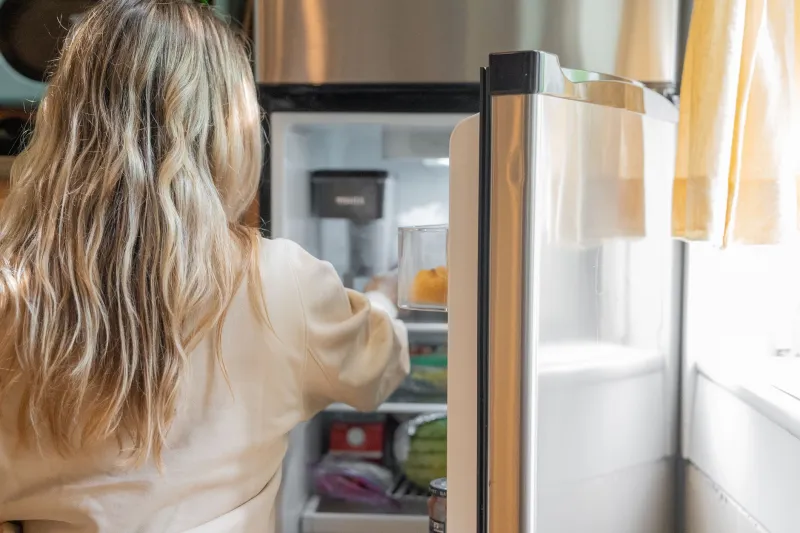
Somewhere in the back of your refrigerator, behind the expired oat milk and the mystery Tupperware, sits a jar of beige goop that used to have a name. You called it Gerald. Or maybe Breadward. Perhaps Yeasty Boi. You were very creative during lockdown — we all were, desperately, in ways that haunt us now.
Gerald hasn't been fed in fourteen months. Gerald, for all intents and purposes, is dead. And you, my friend, are the one who let him go.
The Great Flour Gold Rush of 2020
Let's set the scene. It's spring 2020. You've watched Tiger King twice, you've reorganized your sock drawer by color and thickness, and your group chat has just sent you a link to a sourdough tutorial by some very enthusiastic bearded man in Portland. Within 48 hours, you have spent $67 on a bag of King Arthur bread flour, $22 on a Dutch oven you definitely didn't already own, and another $34 on a kitchen scale because apparently eyeballing it like a normal human being was no longer acceptable.
You mixed flour and water in a mason jar like a tiny, carb-obsessed scientist. You named your creation. You talked to it. You photographed it. You posted those photographs on Instagram with captions like "Day 4: she's really coming alive 🥖✨" and received more engagement than anything you'd posted in three years.
For approximately six weeks, you were the most devoted parent on the planet — and your child was a jar of fermented paste.
The Psychology of the Pandemic Hobby Trap
Here's the thing about sourdough that nobody wants to admit out loud: it was never really about the bread. It was about control. In a world where everything felt like it was dissolving into chaos, here was something you could manage. A living thing that responded to your attention. A process with clear steps and measurable results. You couldn't control the news cycle, your job situation, or whether your neighbor would wear a mask, but you could absolutely control the hydration level of Gerald.
Psychologists have a term for this kind of behavior — they call it "compensatory control," which is a very fancy way of saying that humans will obsessively organize spice racks and raise yeast cultures when the actual world refuses to cooperate. The sourdough starter wasn't a hobby. It was therapy. Extremely carb-heavy therapy that left flour dust on every surface in your kitchen.
The moment the world started opening back up — the moment brunch returned, the moment you could go back to buying perfectly adequate sandwich bread at the grocery store like a functional adult — Gerald's days were numbered.
The Slow Slide Toward Starter Neglect
It didn't happen all at once. That's the insidious part. You didn't wake up one morning and decide to abandon Gerald. It was gradual. First, you skipped one feeding because you were tired. Then another because you were out of town. Then you moved him to the back of the fridge "just for a little while" and told yourself that refrigeration would slow his metabolism, which was technically true and also completely a lie you were telling yourself.
By late 2021, Gerald had developed a grayish liquid on top — that's called "hooch," by the way, which is starter's way of saying it's starving and furious with you. You Googled "is my sourdough starter dead" at 11pm like someone checking on an elderly relative they'd been neglecting. The internet reassured you it was probably fine. You poured off the hooch, fed Gerald a tablespoon of flour, and felt genuinely virtuous about it.
Then TikTok discovered whipped coffee. And then it discovered feta pasta. And then it discovered making your own butter, your own hot sauce, your own ricotta, and at some point the algorithm just moved on entirely and took your attention with it.
Gerald never stood a chance against the algorithm.
The $200 Jar of Regret
Let's do a quick financial autopsy, because it's important that we sit with this. The average pandemic sourdough enthusiast spent somewhere between $150 and $300 on equipment and ingredients before producing a single edible loaf. That includes:
- Specialty flour (because regular flour was somehow insufficient)
- A bench scraper (a tool you used twice)
- A proofing basket, also called a banneton, also called "that weird wicker bowl thing"
- At least one book about bread that you read the introduction of
- A lame — a tiny blade on a stick for scoring the dough — which you bought because the YouTube tutorial made it look essential and also kind of cool
The resulting bread, in many cases, was dense, slightly sour, and wildly misshapen. It was also, genuinely, one of the most satisfying things you'd ever made. That part is real. The pride was real. The 47 photos of your first successful loaf — also real, and honestly, kind of beautiful.
But the $200 is also real. And it's currently sitting in a jar in your refrigerator, quietly judging you.
An Honest Accounting of What We Lost
Here's where we get slightly sentimental, because even Cajocky has a heart buried somewhere under all the jokes. The sourdough era, ridiculous and flour-dusted as it was, represented something genuinely kind of lovely about humans under pressure. We reached for creativity. We made things with our hands. We fed something and watched it grow and felt responsible for it in a way that was, frankly, adorable.
Yes, it was also a trend. Yes, it was absolutely fueled by Instagram aesthetics and a desperate need for content during a period when nobody was going anywhere. Yes, the artisanal bread industrial complex absolutely saw pandemic bakers coming from a mile away and priced their organic rye flour accordingly.
But also — you made bread. Real bread. From scratch. From wild yeast you cultivated yourself in a jar you named Gerald. That's genuinely impressive, and it's okay to acknowledge that even as we laugh at the whole spectacle.
Gerald Deserved Better. We All Did.
If your sourdough starter is still technically alive — hooch and all — it is not too late. Feed it. Revive it. Bake one weird, lumpy loaf this weekend and post it without any filter. Call it a comeback.
And if Gerald has truly, definitively passed on — if what's in that jar has transcended "neglected" and arrived firmly at "biohazard" — then give him a dignified farewell. Pour him out. Rinse the jar. And maybe, just maybe, resist the urge to immediately start a new one based on whatever fermentation trend the internet serves you next week.
Or don't. Start a new one. Name it something stupendous. We're not here to tell you how to live.
We're just here to remind you that Gerald was counting on you, and you let TikTok feta pasta win.
Rest in gluten, Gerald. You were bubbly while you lasted.