You Have 47 Streaming Services and Nothing to Watch: A Modern Tragedy
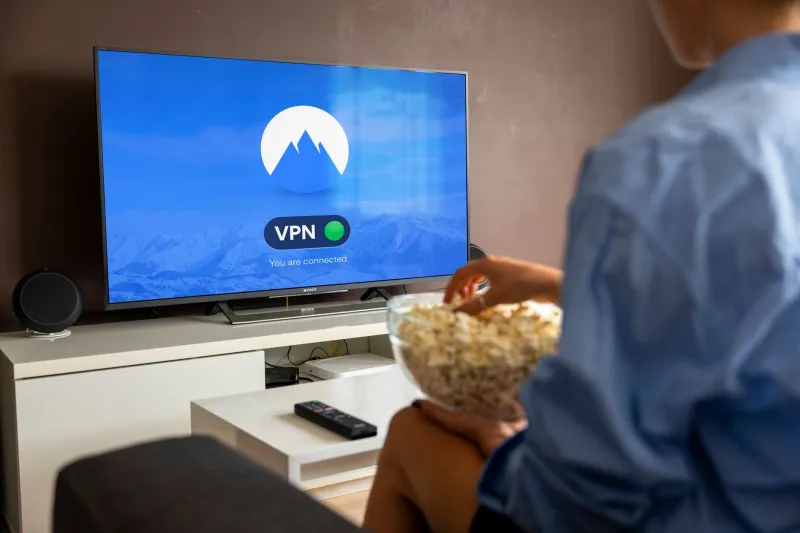
It's 9:47 PM. You've had a long week. You deserve this. You sink into the couch with a snack that's technically a meal, grab the remote, and prepare to relax. Forty-five minutes later, you've scrolled through Netflix twice, opened and closed HBO Max four times, watched the same Disney+ trailer you've already seen eight times, and are now staring at the ceiling questioning your choices — both in entertainment and in life.
Congratulations. You have officially contracted Streaming Fatigue, the 21st century's most embarrassing epidemic.
The Buffet That Broke Us
Here's the thing about buffets: they sound incredible until you're standing there with a plate, sweating, because you can't decide between the lo mein and the mashed potatoes and somehow end up with both, plus a bread roll, and you enjoy exactly none of it.
Streaming is that buffet. Except the buffet never closes, adds new dishes every week, and occasionally removes your favorite dish right when you were about to eat it — looking at you, every movie that's ever been pulled from Netflix without warning.
As of 2024, the average American household subscribes to four streaming platforms. That sounds reasonable until you realize those four platforms collectively house something in the neighborhood of 36,000 hours of content. For context, that's roughly four years of non-stop watching. You would literally die before finishing your watchlist. Your current watchlist. The one you keep adding to.
Dr. Barry Schwartz, a psychologist who literally wrote the book on this phenomenon — The Paradox of Choice — has been warning us about this for decades. More options, he argues, don't make us happier. They make us paralyzed, then regretful. "The secret to happiness," Schwartz famously said, "is low expectations." And honestly? That tracks.
Decision Paralysis Is Real, and It's Ruining Movie Night
Psychologists have a term for what happens when we're confronted with too many choices: decision fatigue. Your brain, like your laptop with seventeen tabs open, starts to slow down and malfunction. Every choice you make throughout the day — what to eat, what to wear, whether to respond to that passive-aggressive email — depletes your mental energy. By the time you're sitting down to choose between The Bear and a three-part documentary about competitive cheese rolling, your brain has essentially clocked out.
The result? You either pick something completely random and spend the entire runtime second-guessing yourself, or you default to a rewatch of The Office for the seventh time this year. (No judgment. Dunder Mifflin is a safe place.)
A 2023 report from Nielsen found that Americans spend an average of 10 minutes just choosing what to watch before actually watching anything. Ten minutes! That's enough time to watch two episodes of a sitcom from the 90s, back when there were only five channels and everyone just watched whatever was on.
The Algorithm Is Not Your Friend
Streaming platforms know about your paralysis, and in a very villain-coded move, they've decided to make it worse. Their recommendation algorithms are simultaneously the most sophisticated technology on the planet and completely useless.
Netflix "thinks" you'll love a gritty Scandinavian crime drama because you once watched half of a true crime documentary while eating chips. Spotify's algorithm has decided you're deeply into sea shanties because you listened to one ironically in 2021. These systems are out here treating your entire personality like a data point, and the result is a homepage that looks like it was curated by someone who sort of knows you but definitely doesn't get you.
The platforms also deliberately engineer FOMO into their release schedules. Weekly episode drops — a strategy that HBO leaned into hard with House of the Dragon and The Last of Us — are designed to keep you subscribed, keep you engaged, and keep you talking. It works. It's also mildly exhausting. There's something deeply ironic about paying money to feel obligated.
So How Do We Actually Enjoy This?
Glad you asked. Cajocky has done the hard work (read: we thought about this for a while and polled our group chat) to bring you actual, workable tips for escaping the streaming vortex.
Set a two-minute rule. Give yourself two minutes to pick something. If you can't decide, you go with whatever you were most recently thinking about before you opened the app. No backsies. This sounds chaotic, but it's genuinely liberating — like a cinematic blind date.
Unsubscribe from at least one platform right now. You're not using Peacock. You know you're not using Peacock. The scarcity of having fewer options will suddenly make everything feel more special. Absence makes the heart grow fonder, and also makes you appreciate your HBO subscription way more.
Bring back the social contract of watching together. When you watch with another person, the negotiation process is annoying but finite. Someone eventually just picks something, and then you're both committed. Peer pressure is an underrated tool for defeating decision paralysis.
Embrace the rewatch. There's absolutely nothing wrong with watching Schitt's Creek again. Or Parks and Rec. Or Succession. Comfort rewatches serve a psychological function — they're familiar, low-stakes, and genuinely enjoyable. Stop treating them like a guilty pleasure and start treating them like the serotonin delivery system they are.
Give something 20 minutes. Not three minutes. Not one episode. Twenty minutes. Research consistently shows that we need time to actually settle into a story. If you bail before the first commercial break would have been, you're not giving anything a fair shot.
The Bigger Picture (Pun Intended)
Here's the uncomfortable truth sitting underneath all of this: Streaming Fatigue isn't really about streaming. It's about how we've been sold the idea that more is always better — more content, more options, more subscriptions — when what most of us actually want is to feel something. To laugh, to cry, to be genuinely surprised by a plot twist at 11 PM on a Tuesday.
The golden age of television is real. There is genuinely incredible content being made right now. Shogun, The Bear, Slow Horses, Abbott Elementary — we are not lacking for quality. We're lacking for intention. We scroll instead of choose. We sample instead of commit. We treat television like a product to be optimized rather than an experience to be had.
So maybe the answer isn't a better algorithm or another platform or a smarter watchlist app. Maybe the answer is just to pick something, put the phone down, and actually watch it.
The lo mein and the mashed potatoes will still be there tomorrow. Tonight, just eat the bread roll and be happy.
Now go watch something. Anything. We believe in you.